       |
Peroneal Tendonitis and TenosynovitisPeroneal Tendon AnatomyThe two major tendons that run along the outside of your ankle are called the peroneal (or peroneus) tendons. They are known individually as the peroneus longus tendon and the peroneus brevis tendon. The superior peroneal retinaculum and inferior peroneal retinaculum ligaments run over top of the 2 peroneus tendons holding them close to the heel bone. 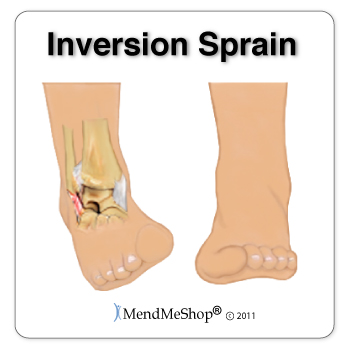 The peroneal tendons are important tendons because they prevent the foot from rolling and causing a lateral (inversion) ankle sprain. The peroneus longus tendon and the peroneus brevis tendon are slightly weaker than the muscles and tendons on the inside of the ankle and are more prone to injury. Tearing or dislocation may occur in one or both of these tendons. This leads to pain, swelling, sensitivity and a sense of instability on the outside of the ankle. They can also pop out of the supporting ligaments that hold them in place (a dislocation). Once this occurs, continuous or recurrent dislocation and tearing is inevitable without immediate attention and repair. Stitching and at the worst, tendon replacement may be required for patients suffering from torn or dislocated peroneal tendon(s). Peroneal Tendonitis and TenosynovitisPeroneal tendonitis (also spelled tendinitis) is the inflammation and irritation of one or both of the peroneal tendons. Like all forms of tendonitis, peroneal tendonitis is a condition that may flare up and subside over a period of time. 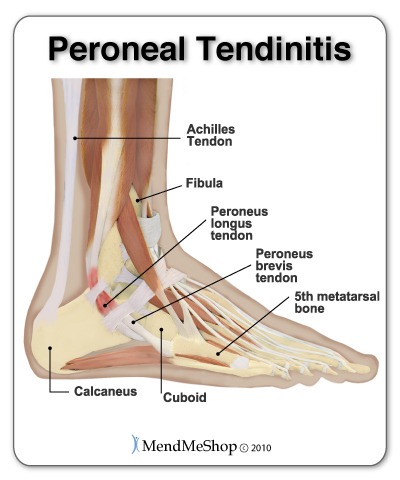 Peroneal tendinitis is usually caused by repetitive use of the tendons, but can also be caused by trauma such as a rolled or sprained ankle. Little tears in the peroneus longus tendon and the peroneus brevis tendon irritate the tendon fibers resulting in pain and inflammation. Peroneal tenosynovitis is swelling and inflammation of the peroneal tendons' sheaths (or coverings) which prevents the tendons from gliding smoothly within the shealths causing pain. It can be experienced at the same time of peronial tendonitis, and has similar symptoms. It often results in trouble moving the ankle and will feel sore to the touch. In rare cases, tenosynovitis can be caused by infection, so it is always recommended to check with your doctor to rule this out as a cause. Symptoms of Peroneal Tendinitis/Tenosynovitis
Who is at Risk?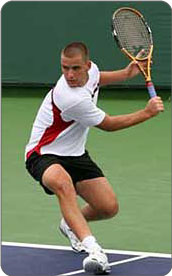
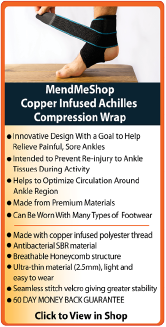
Peroneal Tendonitis Conservative Treatment OptionsAllowing your peroneus longus tendon and the peroneus brevis tendon to rest is always recommended following a tear or dislocation. Having said that, however, some careful movement is required to prevent the joint from freezing and losing range of motion. Avoid all activities that may have caused the injury or irritation and begin cold compression treatments as soon as possible. The peroneal tendons are difficult to rest completely as they are essential tendons for walking and daily activities. During your recovery, you will probably have to modify and/or eliminate any activities that cause pain or discomfort in your ankle until the pain and inflammation settle. The trick with any tendon injury is getting your tendon back in the best possible condition you can. This means getting it to heal quick to minimize scar tissue growth, and this is what our TShellz Wraps® are designed for! Even with optimum healing, there is always less elasticity in a previously injured tendon. This will cause your peroneal tendon to hurt during regular movement and exercise. However, if you heal your injury efficiently and quickly, your chance of re-injury later on is much lower than average. Although steroid injections may provide temporary relief from the pain of a tendon injury they should generally be undertaken with caution as they weaken the tendon and may lead to a complete rupture. If you do opt for an injection, doctors usually recommend that you do not participate in strenuous activities for several weeks to reduce the risk of a rupture. Conservative Treatment Step 1: Reduce The Initial InflammationInflammation is the body's natural response to an immediate tendon injury and is a normal part of the healing process - helping to reduce tissue infection in the early stages of injury. Swelling, pain, heat sensation, redness, and loss of function are the main symptoms experienced. The combination of rest, topical pain relief cream and minor amounts of cold is the gold standard in medicine for minimizing tissue damage and reducing inflammation after injury or activity. It serves as a critical bridge into the next phase of the healing process. Conservative Treatment Step 2: Enhance Blood Flow to the Injured Soft Tissue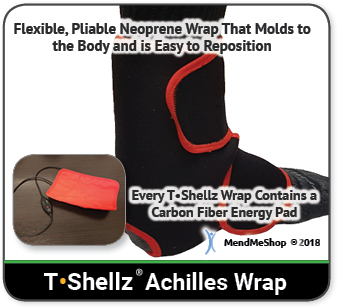 Once the inflammation in your peroneal tendon has been reduced, nourishing and strengthening the tissue in the ankle and surrounding area is recommended. By treating your ankle with an Achilles TShellz Wrap® you can increase your body's blood supply to your peroneus longus and the peroneus brevis tendons and increase your body's natural healing power. In addition, the fresh blood flow whisks away dead tissue and toxins that have built up from tendonitis and tissue damage leaving the area clean and able to heal faster. Our Achilles TShellz Wrap provides effective, non-invasive, non-addictive pain relief and healing with no side effects. Conservative Treatment Step 3: Recognize That Healing is a ProcessWith dedication, the right tools, and the right information - you will achieve your goal of a sustainable recovery. A combination approach of cold, heat treatments, and functional movements will make it happen much more quickly. Healing takes a comprehensive approach and will differ from person to person. If you have questions, we welcome you to call our office toll-free at 1-866-237-9608 (Continental US), or Internationally at +1-705-532-1671. The Achilles TShellz Wrap® - Heal Your Ankle Tendons For The Long TermThe best option we came across in our research to accomplish faster healing of soft tissue injuries in the peroneal tendon is the AchillesTShellz Wrap®. Use of this device results in a significant increase in blood flow to the injured tissues located deeper within the body - all in a non-invasive manner. Have you seen what happens when you add water to a flower wilted from drought? In essence, your injured peroneus tendons are much like "wilted" flowers; your body wants to heal the tendons, but needs lots of nutrients to do it. Blood brings life to your tissue by delivering healing nutrients and oxygen that are vital for their growth and survival. In addition, the blood carries away toxins and waste cleaning the area and healing it faster. Without a good supply of blood, your ankle simply won't heal as quick as you would hope. Using a TShellz Wrap® will not expose you to the risk of causing further harm to soft tissue like you can when using rigorous exercise. The Achilles TShellz Wrap® accomplishes the goal of enhanced blood flow without the need for intensive exercise and as such reduces your risk of re-injury. Remember: We recommend that you consult your doctor and/or physiotherapist before using any of our outstanding products, to make sure they're right for you and your condition. Learn More About Achilles Injuries & TreatmentsI want to learn more about Achilles Surgery & Post-Surgery Recovery I want to learn more about Circulation Boost I want to learn more about Ice & Heat: Which Is Better For The Achilles? I want to learn more about Stretching for the Achilles FREE SHIPPING ON ALL PRODUCTS CURRENTLY ENABLED |

Achilles Tendon Facts There are over 250,000 achilles tendon injuries each year in the US. Achilles tendon ruptures are common in people between the ages of 30 and 50. In runners, too rapid an increase in mileage, hill training without proper strengthening, and recent or inadequate changes to running gear can cause injuries to the Achilles tendon. Achilles tendonitis accounts for an estimated 11% of running injuries. 3-5% of athletes are forced to leave their sports career due to Achilles tendon overuse injuries that go untreated. Medications mask the pain but do very little in the healing of Achilles tendonitis. A fully ruptured tendon REQUIRES surgery. It will not heal on its own. Achilles tendonitis and Achilles tendinitis are the same thing. Continually using your Achilles tendon while it is injured will lead to a more serious and/or chronic injury.    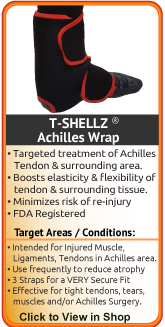  |